 Book a free taster
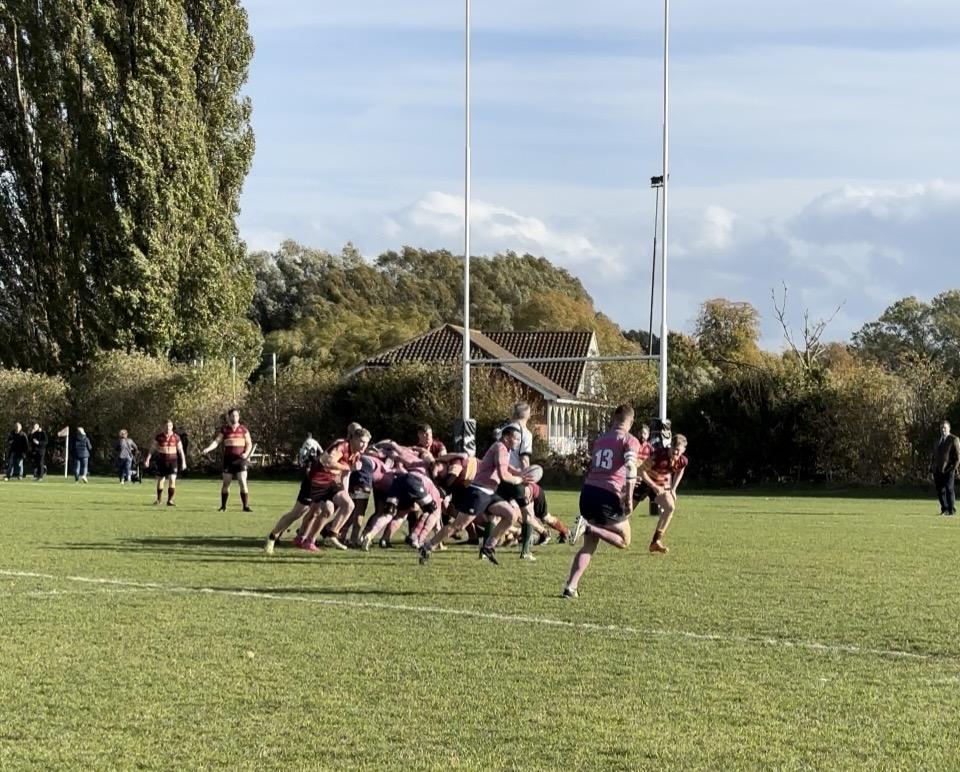
Win collisions, break the line, survive the season
The outcome of most tackles is determined before they land — Harry builds the full-body strength to dominate contact. Compound power work, bracing strength, and the ability to generate force from any position on the pitch.
Whether back or forward, explosive acceleration changes games — lower body power work and sprint mechanics deliver it. The first three metres determine whether you make the break or get caught.
Joint stability, posterior chain strength, and structured recovery work keep you playing week after week without breaking down. Rugby asks more of the body than almost any other sport — Harry's programme is built for that reality.
The work itself
Squat, deadlift, and trap bar work that builds the raw strength rugby demands. These are the foundations — full-body force production that transfers directly to the tackle, the ruck, and the carry.
Bench press, rows, overhead work, and pulling strength that gives you dominance in contact. Upper body strength for rugby isn't cosmetic — it's the difference between winning and losing collisions.
Explosive power development and sprint acceleration mechanics. Whether you're a back looking for line-break speed or a forward needing to get off the line quickly, this work delivers it.
A prop's conditioning needs are different to a winger's. Harry matches your conditioning work to the actual physical demands of your position — repeated high-intensity efforts, recovery capacity, and match-day readiness.
Built for your position
Forwards and backs face fundamentally different physical demands. Harry designs your programme around your position — so the training builds exactly what your role requires on the pitch.
Scrum strength, contact resilience, and the conditioning to be effective at ruck after ruck. Heavy compound lifting, bracing work, and short-distance power. Built for the players who do the hard yards.
Explosive acceleration, change-of-direction speed, and the power to break tackles in open play. Sprint mechanics, plyometric work, and upper body strength for contact situations at pace.
Regardless of position, rugby is a collision sport. Neck strengthening, shoulder stability, and full-body resilience work that prepares you to absorb and deliver contact safely, week after week.
Club players, forwards and backs
Playing at any level from social rugby to National League and wanting to be more physically competitive. The players who are strongest, fastest, and most durable have the biggest impact on the pitch.
Scrummaging, rucking, and carrying all demand raw strength. Harry builds the compound power, bracing ability, and upper body dominance that makes the difference at the set piece and in contact.
Line breaks, cover tackles, and support lines all require explosive acceleration. Sprint work, plyometric power, and the strength to stay on your feet through contact at pace.
The season decides
The rugby season runs September through to May. Pre-season typically starts in July — but the best physical preparation begins in the off-season, giving you time to build real strength before the hits start.
The biggest window for physical gains. Heavy strength work, hypertrophy, and addressing the injuries or weaknesses from the season just gone. This is where forwards add mass and backs add power.
Peak preparation. Training shifts towards power, speed, and match conditioning. Contact preparation work increases. The goal is to arrive at round one as the fittest and strongest version of yourself.
In-season maintenance. Targeted sessions that maintain your strength and power without adding fatigue before match days. Recovery management becomes as important as the training itself.
Sustain and compete. Many players decline physically in the second half of the season. Continued training prevents this and keeps you competitive when promotion, relegation, or cup runs are decided.
Two routes in
A structured summer training programme for rugby players, timed to peak for the start of the season. Train alongside other players with a progressive programme designed for rugby.
Register your interestYour programme, your action, your schedule. The quickest route if you are working around a specific weakness, coming back from injury or training towards a fixture. Blocks of five are £200.
Book a sessionTell Harry what you play
No commitment and no card. Say what you play and what you are trying to fix, and Harry will tell you whether a group block or one-to-one makes more sense.
Come and try a session
One free class, no card, no obligation. Harry will meet you at the door.