 Book a free taster
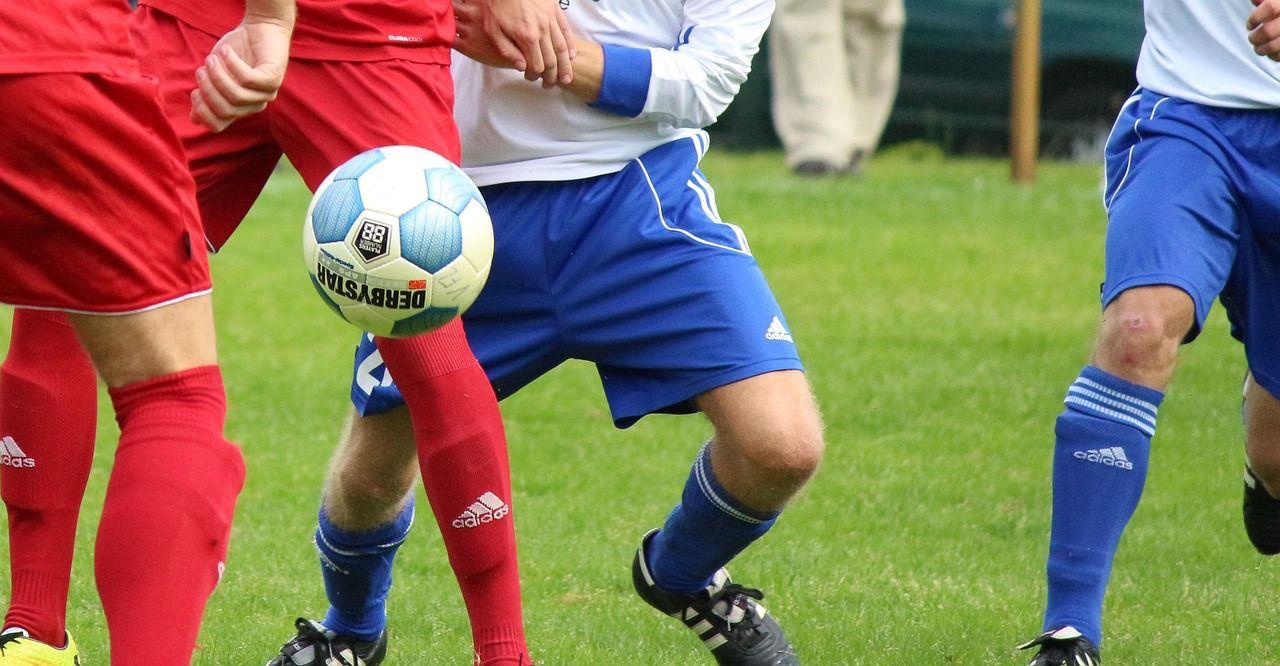
Quicker off the mark, harder to move, still standing at 85 minutes
Most football pace is won in the first five metres — explosive lower body training improves the acceleration that matters in and out of the box. Plyometric work and sprint mechanics make you genuinely quicker off the mark.
Strength for football isn't about size — it's force production, balance under pressure, and holding position when challenged. Harry builds the functional strength that keeps you on your feet and in control.
Hamstrings, ankles, knees — football has a predictable injury profile and Harry's programme directly targets the weaknesses that cause them. Structured prevention is cheaper than months on the sideline.
The work itself
Box jumps, depth jumps, and reactive agility drills that build the explosive power you need for sprints, jumps, and changes of direction. The foundation of football athleticism.
Structured sprint training that improves your first-step speed and top-end pace. Technical coaching on drive phase, arm mechanics, and force application — not just running harder.
Squat, deadlift, and single-leg work that builds the lower body strength football demands. Stronger legs mean faster acceleration, harder tackles, and more resilience under fatigue.
High-intensity interval conditioning that mirrors the demands of 90 minutes — repeated sprints, recovery runs, and sustained output. You'll last the full match and still have a gear to find.
Position-specific training
A centre-back's physical demands are different to a winger's. Harry tailors your programme to your position — so the training builds exactly the physical qualities your role requires.
For players in physical positions — centre-backs, central midfielders, and strikers who hold the ball up. Strength, balance under contact, and the ability to impose yourself physically.
For wide players, attacking midfielders, and forwards who rely on pace. Acceleration, change of direction, and the explosive power to beat a defender or close down space.
For box-to-box midfielders and full-backs covering the most ground. Sustained high-intensity output, repeated sprint ability, and the recovery capacity to perform week after week.
Grassroots to semi-pro, and anyone coming back
Playing Saturday or Sunday league and want a genuine physical edge over your opponent. You don't need to be a professional to train like one — the same principles apply at every level.
The gap between amateur and semi-pro is often physical. Structured strength and conditioning closes that gap — faster, stronger, and more durable than players who only train on the pitch.
Hamstring tears, ankle sprains, ACL recovery — Harry's structured rehabilitation and football-specific strength work gets you back on the pitch with a body that's more resilient than before.
The season decides
The football season runs August through to May. Pre-season typically starts in June or July — but the best physical preparation starts earlier, giving you time to build a genuine base before pre-season even begins.
The biggest window for physical improvement. Heavy strength work, sprint training, and addressing the injuries or weaknesses from the season just finished.
Peak preparation. Training intensity increases, conditioning work mirrors match demands, and the focus shifts to power and speed. Arrive at pre-season fitter than everyone else.
In-season maintenance. Short, targeted sessions that keep you strong, fast, and injury-free without adding fatigue before match days. The goal is to perform on Saturday, not in the gym.
Sustain and recover. Many players fade physically in the second half of the season. Continued training prevents this decline and keeps you competitive when others are tiring.
Two routes in
A structured summer training programme for footballers, timed to peak for the start of the season. Train alongside other players with a progressive programme designed for football.
Register your interestYour programme, your action, your schedule. The quickest route if you are working around a specific weakness, coming back from injury or training towards a fixture. Blocks of five are £200.
Book a sessionTell Harry what you play
No commitment and no card. Say what you play and what you are trying to fix, and Harry will tell you whether a group block or one-to-one makes more sense.
Come and try a session
One free class, no card, no obligation. Harry will meet you at the door.